





The Fitness Boom Is Reaching a Tipping Point: Why Gym Growth Is Sparking an Equipment Service Crisis
More members mean more people using the same equipment. For independent gym operators, a clear maintenance plan can help keep that busy floor safe, reliable, and ready for the next class.
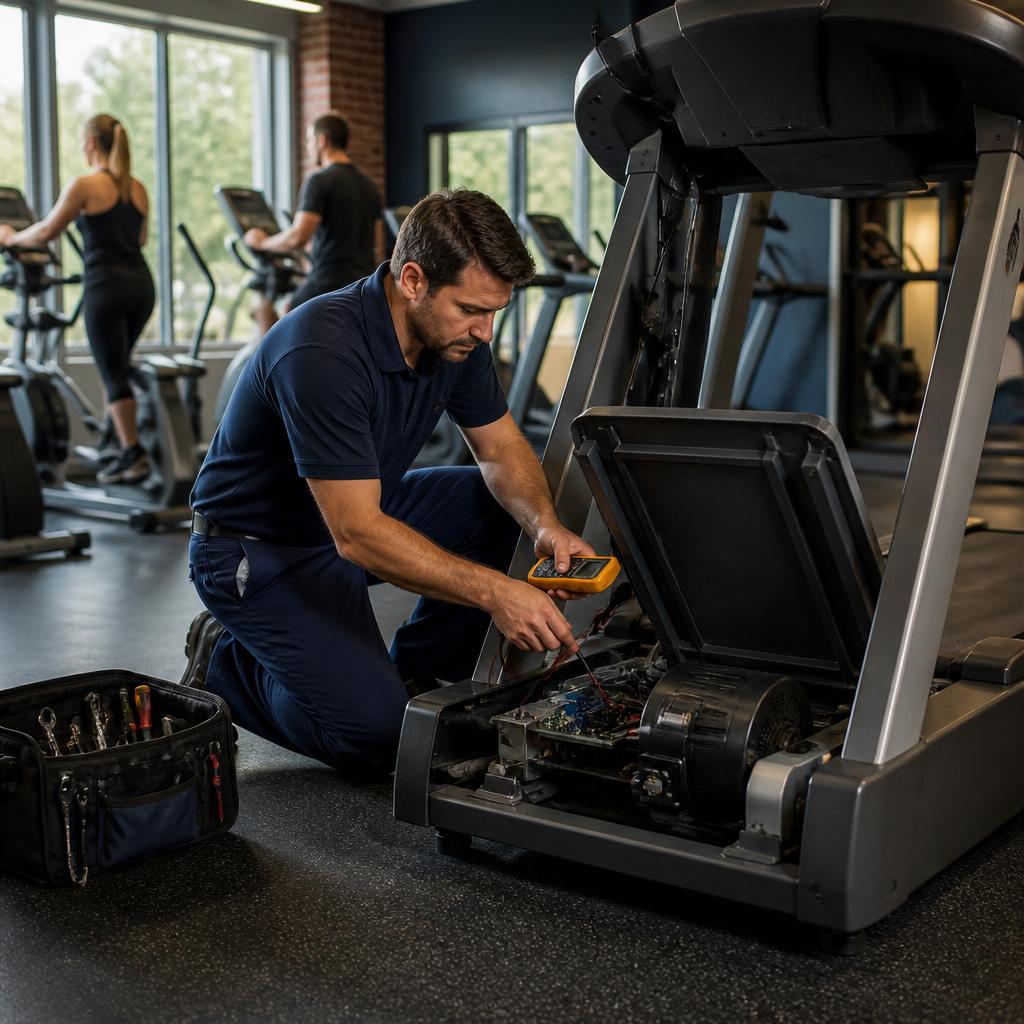
HFA’s 2026 report describes U.S. fitness-facility use in 2025. More visits do not mean every gym has the same workload; use patterns differ by location and equipment.
A thriving membership is good news. It also means treadmills, ellipticals, bikes, cable stations, and other shared equipment may see frequent use—and less idle time between sessions.
The Health & Fitness Association reported that 81 million Americans held a fitness-facility membership in 2025, with nearly seven billion visits to U.S. gyms, studios, and clubs. Membership grew 5.2% from the prior year.[1] That national picture is an opportunity for the fitness industry, but it is also a reason for operators to treat equipment service as an operating plan—not just a reaction to the next breakdown.
An “equipment service crisis” does not look identical at every facility. It can start with one high-use treadmill sidelined during evening rush, a resistance station that repeatedly slips out of adjustment, or a new connected console that local staff are not equipped to troubleshoot. If several problems land at once, owners need a reliable way to assess risk, communicate closures, and schedule qualified help.
Replace “fix it when it breaks” with a service rhythm
A reactive-only approach makes the repair queue hard to predict. Staff may not know when a machine first started making noise, what has already been tried, or whether a repeat call is part of a wider pattern. That uncertainty slows the handoff from the gym floor to the person who can diagnose the problem.
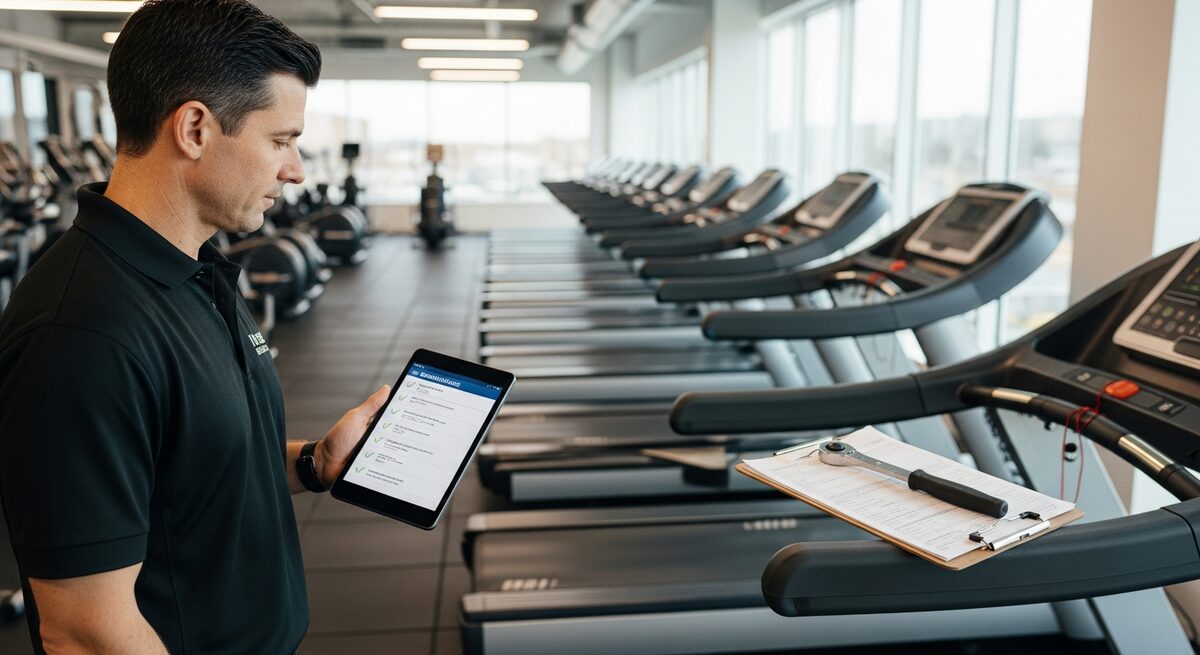
A practical service rhythm starts with the manufacturer’s maintenance schedule, a consistent visual check, and a simple place to record symptoms and completed work. It gives the owner a clearer view of recurring issues without assuming every piece of equipment needs the same interval or repair.
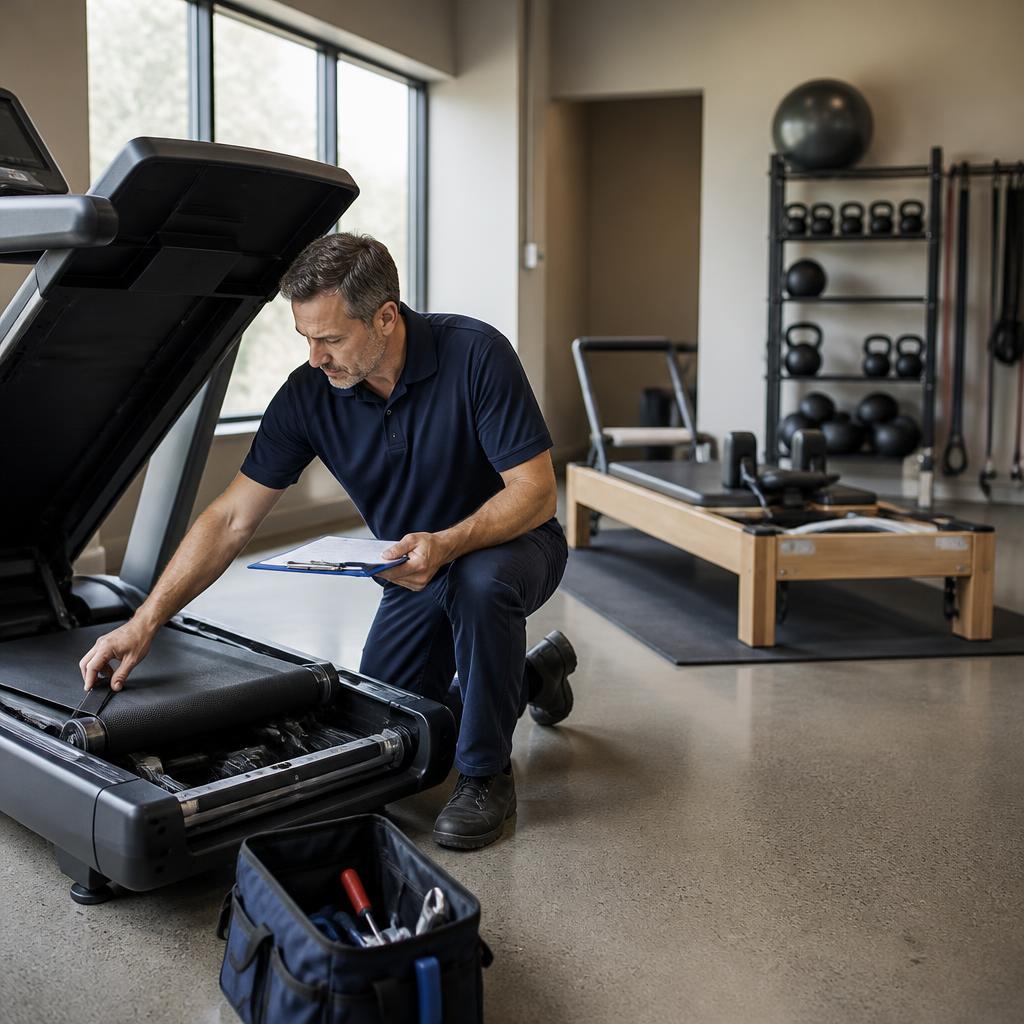
Modern equipment calls for better triage
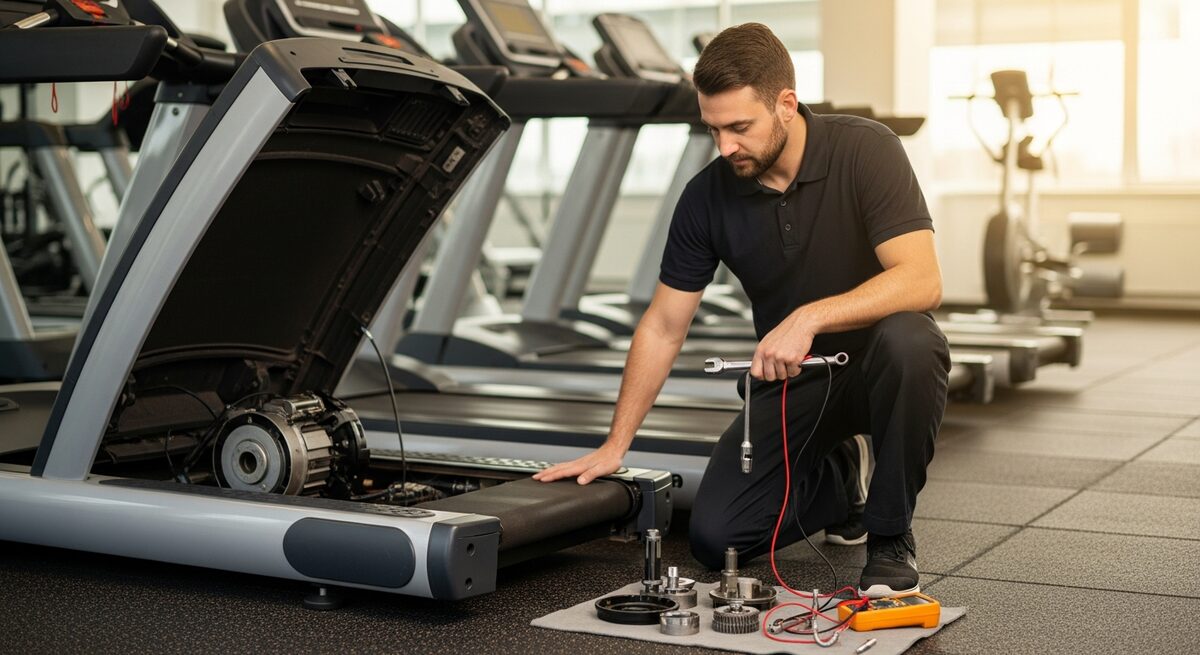
Today’s facilities may combine commercial cardio, connected consoles, strength machines, Pilates equipment, and other specialty assets. Different designs can call for different inspection steps, parts, diagnostic tools, and service knowledge. A generic fix is not a substitute for the model’s documentation or a technician’s training.
Give staff a clear line between what they can safely observe and report and what requires a qualified service professional. When a machine appears damaged, operates unpredictably, or presents a safety concern, follow the facility’s shutdown and escalation procedures. Where applicable, hazardous-energy control requirements and the manufacturer’s service procedures govern work that exposes a person to hazardous energy.[2] Do not bypass guards or ask an untrained employee to perform electrical or mechanical repairs.
A five-part plan for a busier equipment floor
A few repeatable habits help managers make service decisions from usable information instead of guesswork:
- 1
Know what you own
Keep a current asset list with equipment type, manufacturer, model, serial number, and location.
- 2
Schedule by the manual
Set recurring inspection and maintenance reminders using each model’s manufacturer guidance and facility needs.
- 3
Make reporting easy
Give staff a clear way to log unusual noises, error messages, visible wear, member reports, and the time a problem was noticed.
- 4
Take unsafe machines out of service
Make closure, communication, and escalation steps clear. Return equipment to use only after the appropriate assessment and service.
- 5
Track service outcomes
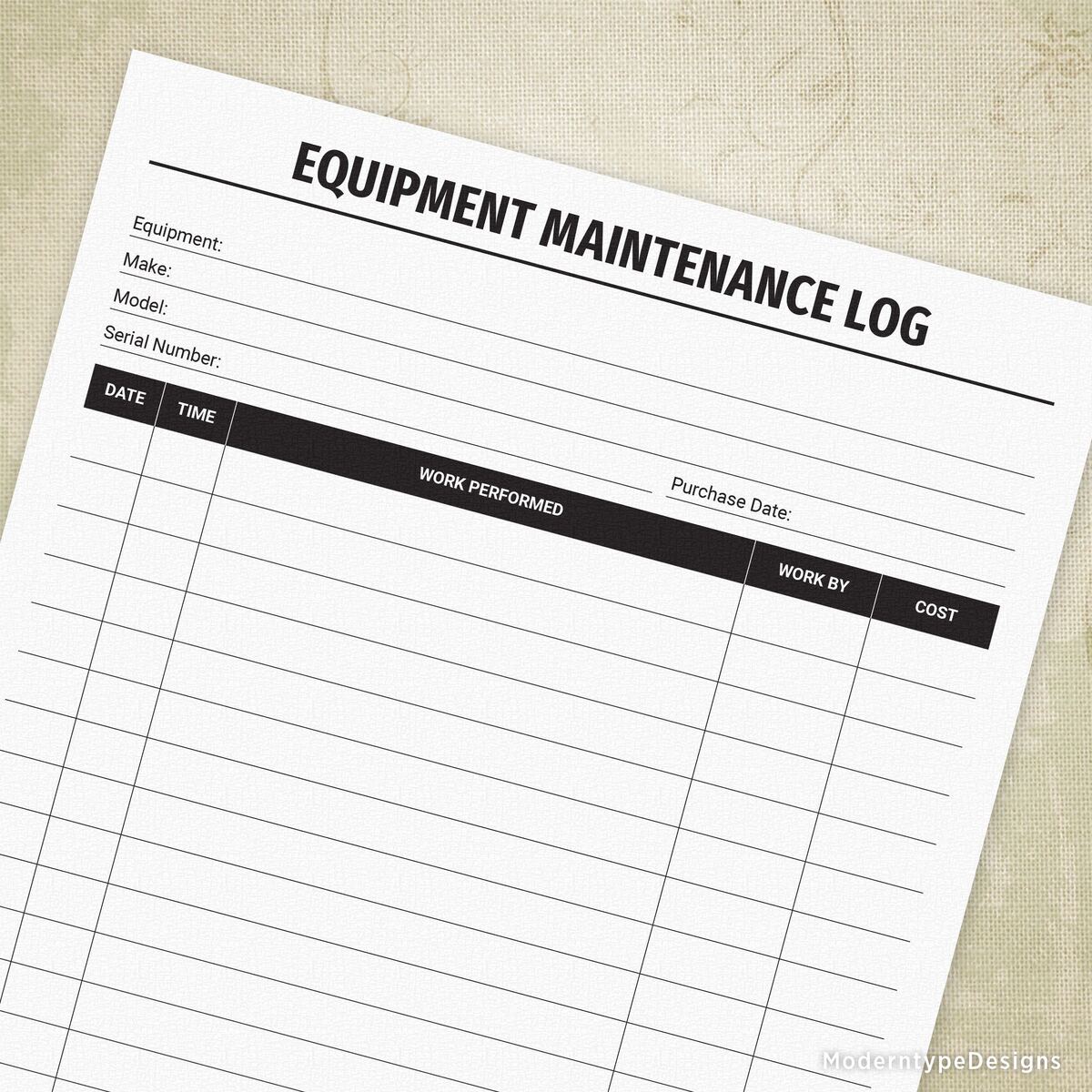
Record the diagnosis, work performed, parts, technician, and return-to-service decision so repeat issues are visible.
Review the service log regularly. Recurring breakdowns, long waits for parts, and multiple out-of-service assets may be signals to revisit maintenance coverage, vendor communication, or replacement planning.
Choose service partners for competence and clarity
When evaluating a service provider, ask what equipment they work on, what training or credentials they hold, how they document findings, and how they communicate estimated response times. Confirm that their proposed work follows applicable manufacturer procedures and any warranty requirements. Clear expectations help facility teams decide when equipment can return to the floor and when it should remain closed.
A busy market does not eliminate the need for qualified service—it makes reliable service planning more visible. Owners who know their equipment, establish a safe escalation process, and keep useful records are better positioned to protect both member experience and their investment.
This article is general operational information, not equipment-specific repair instructions, legal advice, or a substitute for manufacturer documentation, applicable workplace requirements, and qualified service.